

Latest Version
The gedit team
Travel & Local
Linux
Free
org.gnome.gedit
Report a Problem
More About gedit Text Editor
An Adaptable Workspace for Writers and Coders
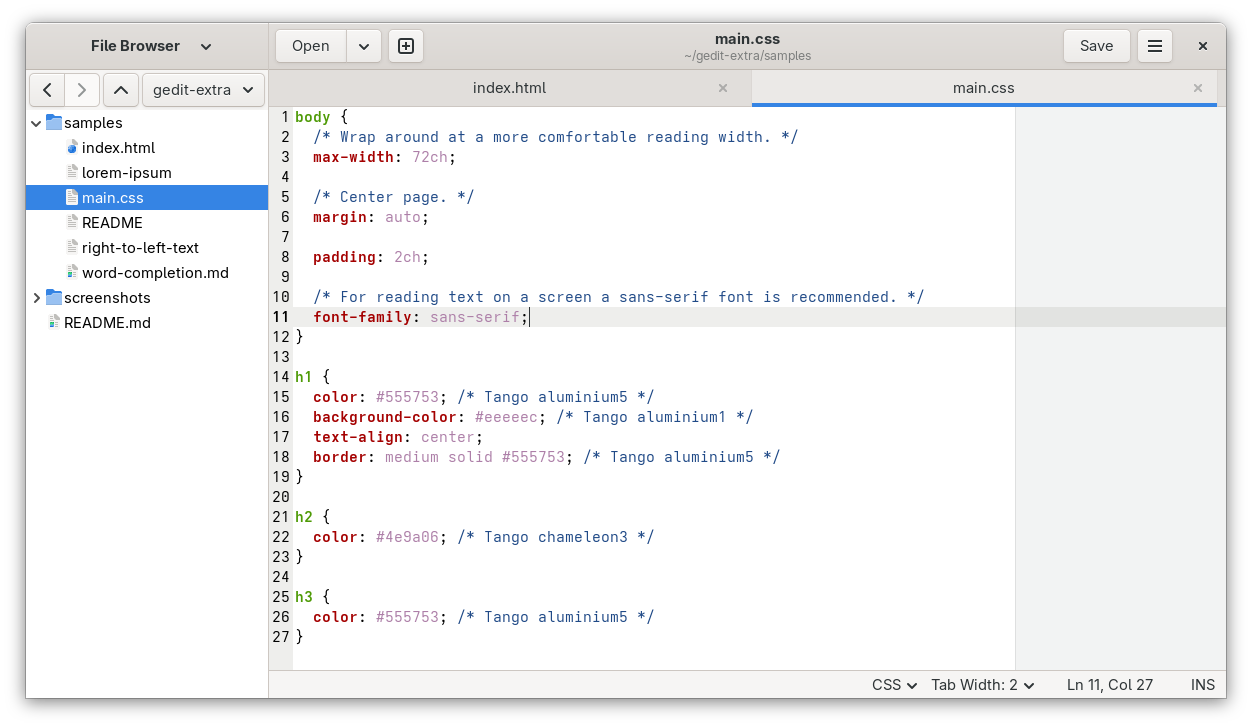
The gedit text editor has long stood as a cornerstone of the GNOME desktop environment on Linux. First introduced during the early stages of the GNOME project in 1998, this application has maintained its reputation for being both remarkably straightforward and surprisingly powerful. Whether you need to quickly scribble down a daily to-do list or dive deep into complex codebase modifications, this utility scales elegantly to meet your workflow demands.
Who Benefits Most from gedit?
Unlike specialized IDEs that overwhelm users with heavy interfaces, or bare-bones scratchpads that lack basic formatting tools, this software strikes a perfect middle ground. It is particularly beneficial for:
- System Administrators: Quickly edit configuration files with a clean, distraction-free layout.
- Software Developers: Leverage extensible features designed to streamline code writing and syntax highlighting.
- Casual Users: Write, save, and manage daily notes and plain text documents without a steep learning curve.
Key Features of the gedit Text Editor
Developed by the gedit team, this application balances simplicity with functional depth. Here are some of the standout aspects that have kept it relevant for over two decades:
Seamless Desktop Integration
As a native GNOME application, it blends perfectly with the Linux desktop environment. It respects system themes, offers intuitive keyboard shortcuts, and behaves exactly as a native utility should, ensuring a cohesive user experience.
Scalable Functionality
Out of the box, it serves as a lightweight notepad. However, its true power lies in its modularity. Users can enable advanced features and plugins to transform this simple tool into a robust environment tailored for software development.
Our Verdict: A Reliable Linux Classic
The gedit text editor remains one of the most dependable utilities available for Linux users. Its longevity is a testament to its clean design and reliable performance. If you are looking for a tool that gets out of your way when you are writing prose, yet provides the necessary tools when you are writing code, this application is highly recommended.
To experience this versatile tool yourself, head over to the official Flathub store page to get started with the gedit text editor on your Linux system.
Rate the App
User Reviews
Other Apps in This Category








Popular Apps










Editor's Choice